AI made your marketing image? Read this before you post
🤯 WOW! New York can fine advertisers up to $5,000 for hiding that an ad used an AI-generated person. The rules aren’t optional anymore.
The Short Version: Don’t assume every AI image needs the same label. What matters is what changed, where the ad runs and how the image is used.
📖 Read time: 2 minutes



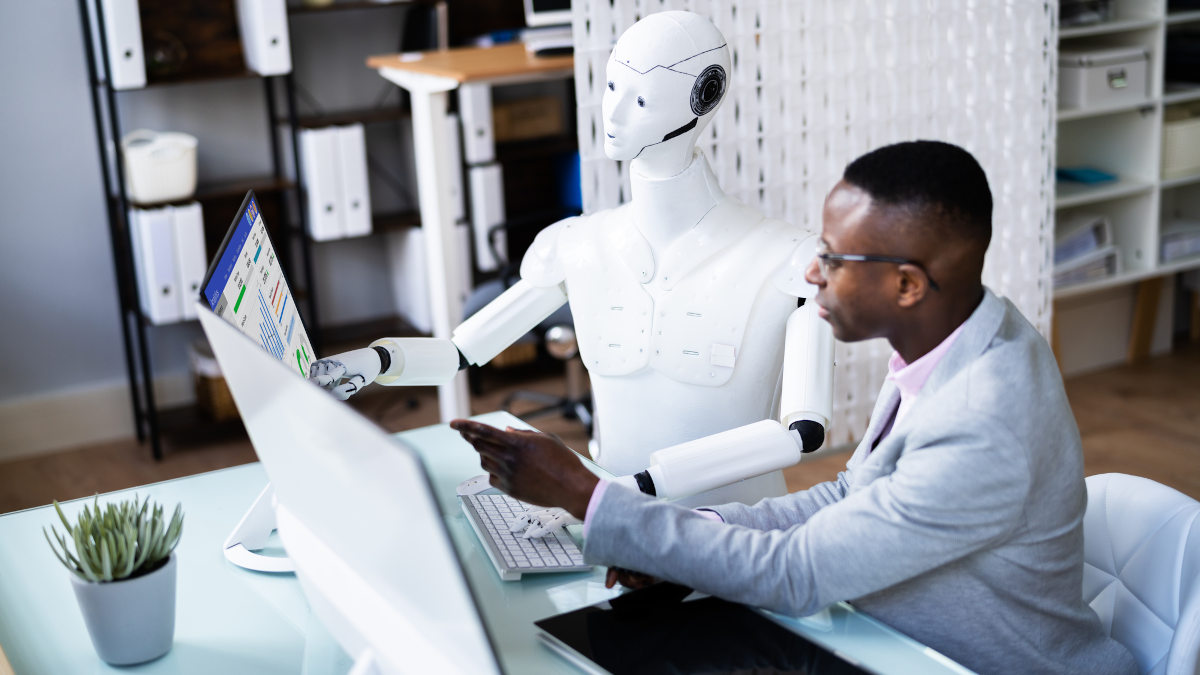 ID 242671055 | Ai © Andrey Popov | Dreamstime.com
I need your help: Add Komando.com as a preferred source on Google
You whipped up a slick image with AI for your latest ad. Looks great, saves time and no photographer needed. Nice. But before you hit post, there’s one more question: Do you have to tell people it’s AI?
The rules are a patchwork, and getting them wrong can cost you. Here’s what to know before you hit post.
🔍 Check the disclosure rules
AI disclosure depends on three things: how much AI you used, what’s in the ad and where it runs. A few red flags:
- An image shows people who look real. Using AI-generated “actors,” a fake customer or an invented product scene? Check whether a disclosure is required.
- Marketing in New York. Ads using an AI-generated “synthetic performer” must disclose it. Fines start at $1,000 and jump to $5,000 for repeat violations.
- Selling real estate in California. The state puts most labeling duties on AI providers, not the person making the ad. But real estate agents must flag an AI-altered or staged listing photo and share the original with buyers.
Rule of thumb: When in doubt, disclose. It’s cheaper than paying a penalty.
📸 Where do stock photos fit in?
They aren’t off the hook. If one’s tagged “made with AI” or “edited with AI,” keep that info on file. Working with a team? Whoever hits publish may not know how the image was made.
And don’t treat disclosure as a technicality. If AI makes an ad misleading, FTC advertising rules can set in, and your competitors may have legal options.
🛡️ Stay on the safe side
Here’s the habit I’d build: Before anything goes live, ask three things. Was AI used? Does the license cover what I’m doing? Do the rules where my audience lives require a disclosure?
That’s one reason I like Dreamstime.* You can search its huge library of photos, illustrations and videos and filter AI-generated content in or out before you download.
Need a matching set for your site, newsletter and social posts? Their curated collections keep the look consistent. Want traditional photography? Easy. AI-generated artwork? That’s there, too.
Best of all, every royalty-free licensed image includes up to $10,000 in legal protection, subject to terms. A little peace of mind goes a long way. Sweet.
Check out Dreamstime’s library to find the right image for your next project.
📩 Send this to someone who’s adding AI images to their marketing. Use the handy links below.